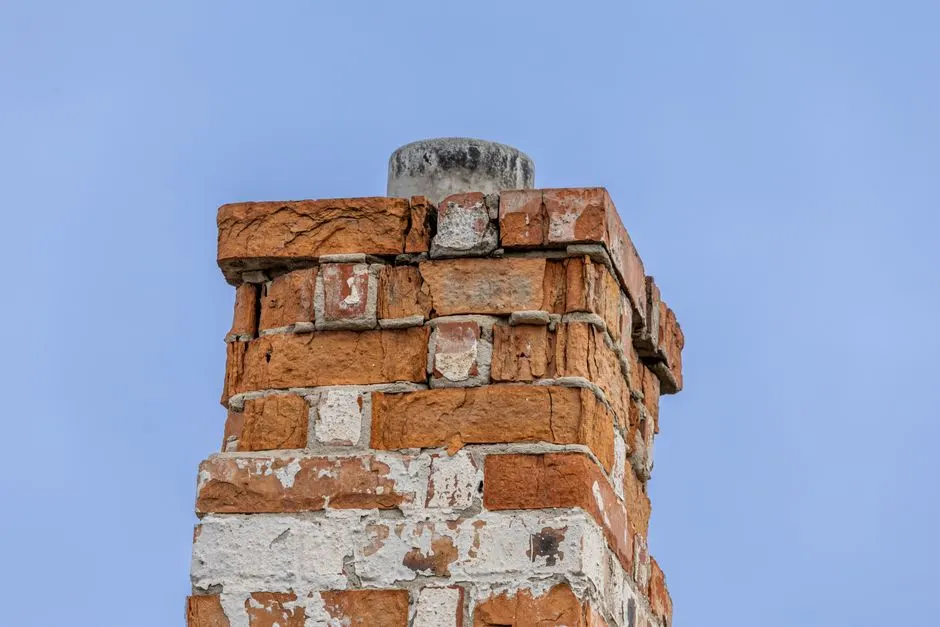
White staining on a chimney in camarilo, California is almost always efflorescence - mineral salts pushed to the surface of the brick by water moving through the masonry. It is not mold, it is not paint, and it will keep coming back until you stop the water that is feeding it.
Efflorescence is a crystalline deposit that forms when water dissolves salts inside brick, mortar, or concrete, travels to the surface, and evaporates, leaving the salts behind as a chalky white bloom. We see it on Camarillo chimneys every week, and the fix is almost never just scrubbing it off. This post covers what causes it, how to remove it safely, and when the staining is telling you the chimney needs real repair work.
What white staining on a chimney actually is
Efflorescence on chimney camarilo California homeowners deal with is a water problem wearing a cosmetic disguise. The white powder itself is harmless to touch, but it is a symptom. Water got in, dissolved minerals, and left them on the surface when it dried.
There are three lookalikes worth ruling out before you assume efflorescence:
- Mold or mildew - usually green, black, or grey, and feels slimy rather than powdery.
- Calcium deposits from a chimney cap or crown leak - harder, crustier, and often concentrated in one streak.
- Salt spray residue - common on coastal-facing walls, but rarely climbs a full chimney face.
Efflorescence wipes off with a dry brush and dissolves in water. If your white residue on chimney camarilo surfaces does not do either, it is probably a mineral crust from a specific leak point, and that changes the repair plan.
Why does white staining show up on Camarillo chimneys?
Chimney staining causes camarilo homeowners run into most often come down to four things: water getting in from above, water getting in from the sides, water wicking up from below, and salt already in the brick.
1. A failing crown or cap
The crown is the concrete slab on top of the chimney. Hairline cracks let rain straight into the brick column. A missing or damaged cap does the same thing from the flue side. This is the single most common source we find.
2. Missing or failed flashing
Flashing is the metal that seals the chimney to the roof. When it lifts, rusts, or was installed with the wrong material, water runs down the chimney chase and shows up as staining on the exterior face - often on the side facing the prevailing weather.
3. Porous or spalling brick
Older Camarillo homes, especially those built in the 1960s through the 1980s, often have brick that has never been sealed. Once the surface is compromised, water soaks in easily. You will usually see the staining paired with flaking brick faces or crumbling mortar joints.
4. Groundwater or irrigation wicking
If the staining starts low and climbs, water may be wicking up from a saturated foundation or from sprinklers hitting the base of the chimney. This is more common on chimneys near lawns and planters.
If you are seeing the staining alongside water inside the firebox or on the ceiling near the chase, that points to a leak rather than simple surface moisture. Our team handles chimney leak repair camarilo regularly for exactly this pattern - staining outside, dampness inside.
Is white staining on my chimney dangerous?
White staining on a chimney is not dangerous by itself - the powder is not toxic and does not burn. The danger is what the staining tells you about the masonry behind it.
Repeated wet-and-dry cycles break down brick and mortar from the inside. In a freeze-prone area, water trapped in the brick expands and pops the face off, which is called spalling. Camarillo rarely freezes hard, but the daily temperature swing between cool nights and warm afternoons still drives moisture in and out of the masonry.
The real risks show up in three places:
- Structural - soft mortar and cracked brick can eventually compromise the chimney's ability to stand straight.
- Fire safety - water damage inside the flue can crack the liner, which is what keeps heat and embers away from framing.
- Indoor air and water damage - a leaking chimney puts moisture into ceilings, attics, and wall cavities, and that is where mold starts.
If the staining is new and small, you have time. If it is spreading, if the brick feels soft, or if you can crumble mortar with your fingers, that is a repair problem, not a cleaning problem.
How to remove white staining from a chimney
Removing white staining from chimney camarilo surfaces starts with killing the water source, not the stain. Clean it first and it will be back within a season.
Here is the order that actually works:
- Find the entry point. Look at the crown, cap, flashing, and any cracked mortar joints. Nine times out of ten the source is one of those four.
- Fix the entry point. Cracked crown, missing cap, lifted flashing - repair or replace before you touch the brick.
- Dry-brush the efflorescence. A stiff nylon brush removes most surface bloom without driving salts deeper.
- Wash with a diluted acid cleaner if needed. A masonry-safe efflorescence remover, applied per the label, then rinsed thoroughly. Never use a pressure washer above 1,500 PSI on brick - it drives water in and makes the problem worse.
- Seal the masonry. A breathable water repellent keeps liquid water out while letting vapor escape. This is the step most homeowners skip, and it is why the staining returns.
If the brick is already spalling or the mortar joints are recessed more than about a quarter inch, cleaning is a waste of time. That is chimney masonry repair camarilo territory - the damaged brick and mortar have to come out and be rebuilt before any sealer goes on.
What to watch out for
Most of the failed DIY fixes we get called to correct share the same handful of mistakes.
- Pressure washing the brick. It looks great for a week. Then the staining comes back worse because you pushed water deeper into the masonry.
- Sealing over a wet chimney. Trapping moisture inside is worse than leaving the brick alone. The chimney has to be dry for at least 48 to 72 hours before sealing.
- Painting the brick. Paint traps moisture and peels within a couple of seasons. It also makes future repairs more expensive because the coating has to be removed.
- Ignoring the crown. A crown crack the width of a credit card lets in enough water to cause the staining you are seeing. Crowns are cheap to repair and expensive to ignore.
- Using muriatic acid straight. It etches brick and mortar and can permanently damage the surface. If you use an acid cleaner, dilute it and follow the label.
One more: do not assume the staining is only cosmetic because the chimney still drafts fine. Drafting and water damage are separate problems, and the water one gets worse quietly.
When to call a professional
Call a professional when the staining keeps returning after cleaning, when the brick is soft or flaking, when you can see cracked mortar joints, or when you are not sure where the water is entering. Those are the four situations where DIY cleaning just delays the real repair.
We start with a chimney inspection camarilo California to find the actual water path - crown, cap, flashing, mortar, or liner - because guessing is how homeowners end up paying twice. From there we quote the repair, do the work, and seal the masonry so the staining does not come back next season.
If your chimney is on a home in the older parts of town, near the Camarillo Heights area or the neighborhoods off Las Posas, we see a lot of original 1970s masonry that has never been sealed. That is a common starting point for chimney waterproofing camarilo, and it is usually the difference between a one-time fix and a recurring problem.
Frequently Asked Questions
What causes white staining on a chimney in camarilo California?
Water intrusion plus mineral salts in the masonry. Rain gets in through a cracked crown, a missing cap, failed flashing, or porous brick, dissolves salts, and leaves them on the surface when it evaporates. Fix the water source and the staining stops returning.
Is white staining on my chimney dangerous in camarilo?
Not directly - the powder is not toxic. It is a warning sign. Left alone, the same moisture that causes it can crack the liner, soften mortar, and spall brick. If the staining is spreading or the brick feels soft, get it inspected.
How do I get rid of white staining on my chimney in camarilo?
Fix the water entry point first, then dry-brush the bloom and wash with a masonry-safe cleaner. Seal the brick afterward with a breathable water repellent. Cleaning without sealing usually means the staining returns within one rainy season.
Does white staining mean my chimney needs repair in camarilo California?
Sometimes. Light surface bloom on otherwise sound brick is a maintenance issue. Staining paired with soft brick, crumbling mortar, or a cracked crown means repair. A professional inspection tells you which one you have in about an hour.
How much does it cost to fix white staining on a chimney in camarilo?
Typical 2026 pricing in this area runs $250 to $600 for cleaning and sealing on a standard residential chimney, and $800 to $2,500 or more if crown, flashing, or masonry repair is needed. The inspection determines which category you fall into.
Get help with Chimney repair in camarilo
If the white staining on your chimney keeps coming back, the water is still getting in - and that is the part worth fixing. Call Core Revivers at (844) 796-2017 and we will find the source, quote the repair, and seal the masonry so it stays dry.